


Distribution centres across India are witnessing higher order volumes than ever before. The rise of e-commerce, retail, manufacturing, and third-party logistics has increased the pressure on warehouses to process more inventory in shorter timeframes to meet faster delivery timelines. At the same time, the number of SKUs continues to grow, making warehouse operations more complex and increasing the need for efficient movement of goods between different operational areas.
These challenges are being addressed by a material handling conveyor system, which is emerging as an important solution. As facilities grow, traditional manual transportation methods are creating bottlenecks in throughput, labour productivity and operational consistency. Across India, distribution centres are embracing conveyor-based automation for improved material flow, reduced delays, and to develop scalable infrastructure to support long-term business growth while improving workforce utilisation.
What Challenges Are Making Manual Material Handling Unsustainable in Modern Distribution Centres?
With the continued growth of distribution centres in India, the limitations of manual material handling have become increasingly obvious. As warehouse operations become more complex and order volumes increase, it’s important that goods move quickly and consistently between multiple process areas. These increasing operational demands are often too much for manual transport methods to keep up with.
Labour shortages, higher wage costs and dependence on the availability of the workforce are also impacting operational performance. Manual handling adds travel time between warehouse zones and generates process variability that can affect consistency. As facilities become larger and more complex, these challenges lead to inefficiencies that make it increasingly difficult to sustain manual transport and still meet the expected levels of service.
How Do Automated Conveyor Solutions Improve Material Flow and Throughput?
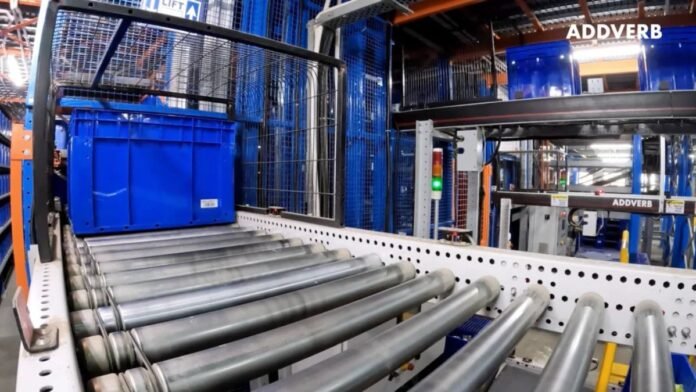
A material handling conveyor system creates a consistent, predictable flow of goods throughout warehouse operations. Cartons, totes, pallets and parcels can be moved efficiently between the receiving, storage, picking, packing and dispatch areas without the need for repetitive manual transportation activities.

- Continuous movement reduces non-value-added travel within warehouses.
- Automated transport minimises bottlenecks between operational zones.
- Consistent material flow supports faster order processing.
- Better movement efficiency helps improve resource utilisation.
Conveyor automation helps distribution centres in India achieve higher throughput and more efficient warehouse operations by reducing interruptions and maintaining steady product movement.
Why Are Indian Distribution Centres Prioritising Conveyor-Based Automation Investments?
For many organisations in India, a material handling conveyor system is a practical means to enhance warehouse performance without a complete redesign of existing facilities. Conveyor systems provide a scalable foundation to support current operations and automation initiatives for tomorrow.
Businesses also want to increase productivity, get better visibility into their operations and handle materials more efficiently. Automation systems help distribution centres to maintain service levels during peak seasonal demand and periods of varying order volumes. This flexibility makes conveyor-based automation an attractive long-term investment for facilities that are focused on sustainable growth and operational scalability.
How Do Conveyors Support Integration Across the Warehouse Automation Ecosystem?
Conveyor systems are significant for linking several warehouse processes to a coordinated workflow. A material handling conveyor system does not operate as stand-alone equipment but helps in synchronising storage, picking, sortation and dispatch activities to improve operational flow throughout the facility.
- Conveyors connect different automation technologies into a unified process.
- Integration with AS/RS systems supports coordinated material movement.
- Connectivity with AMRs and Goods-to-Person stations improves workflow efficiency.
- Warehouse software platforms gain better visibility across operations.
These connected automation environments help in reducing delays, improving coordination and enabling smoother movement of goods across distribution centres in India.


How Addverb Helps Distribution Centres Transition From Manual Material Handling to Automated Conveyor Systems
Addverb provides conveyor solutions to automate the movement of cartons, totes, pallets and other loads across warehouse operations. These systems reduce reliance on manual transportation processes and help distribution centres improve consistency and streamline material movement throughout the facility.
Addverb’s conveyor solutions help create continuous flow between the receiving, storage, picking, packing and dispatch areas, which helps reduce operational bottlenecks and improve throughput. The company offers conveyor solutions that can be integrated with automated sortation systems to form a connected material flow process. This allows efficient movement of goods between different stages in the warehouse, supporting higher throughput and growing fulfilment needs.
Conclusion
Today, conveyor automation is a necessity for distribution centres across India to transition from manual material handling. As facilities process higher order volumes and increased operational complexity, automated movement systems provide the efficiency and scalability that will drive ongoing growth.
A material handling conveyor system increases throughput, reduces reliance on labour and creates a stronger foundation for future warehouse automation initiatives. Addverb’s conveyor solutions demonstrate how automation can support efficient, reliable and scalable warehouse operations for modern distribution centres.